Friday, April 2, 2010

Moss from the park

Once the moss was ripped up from our walkway, I knew I wanted to replace it. Fortunately, I have seen a bunch on the various walks I go on on which I go with the Mr. and Lily.

Here I am, carrying it in the car ride back from the park. I had to sort of slouch so that my stomach could support the high pile and keep it from tipping over.
And here I am, getting ready to transplant it to our yard.
The Mr. helped because my hands were kinda full.

Basically, we just took the pieces that we had pulled up from the park, and laid them down in the empty spots along our walkway.
What I really like, is that there is a very clear difference between (what I think is) Irish Moss, and the more rustic "Forest Moss" (that is what I am calling it, anyway).
Here is the Irish Moss:
Here is the "Forest Moss":
Irish:
Forest:
Once I filled in as many spots as I could, I watered very well.

Then I went back over and softly stepped on the chunks to "adhere" them to the ground with mud.
Here's the sacrifice I endured for this project. Nothing a little detergent can't handle:

Thursday, April 1, 2010

Come back to us, moss!

We have a walkway along the side of our house that was beautifully landscaped when we moved in. There was Irish Moss between the stepping stones, but sporadically.

This spring, as everything started to bloom, some weeds grew up and started taking over the moss. When we pulled up the weeds, the moss came with it. Here's the spot with all the weeds:

Here it is, more naked:


I decided that was really no problem, because there is plenty of moss to be "harvested" on the various walks we go on on which we go.

Wednesday, March 31, 2010

I hate ivy.

Here, here, and here talk about how incredibly invasive ivy is.

I should love it, because it was such a pinnacle part of my college experience. But this plant spreads far beyond where it was ever meant to spread when it was planted. If you live on the other side of a fence where it was planted, it will often crawl up one side and down the other into your yard. Seriously, like Jumanji.

Here's ivy before I annihilated it from our yard.


Here it is after.


This is very, very destructive to a building (below).
via here

The reason this is destructive, where, for example, clematis is not, is because ivy has roots the cling to buildings, fences, etc., whereas clematis' stems actually curl around that which it is climbing on, without harming it.

Tuesday, March 30, 2010

All about hydrangea

Here is our hydrangea after I majorly whacked it back in August 2009. It's branches were growing over into the stone pathway along the side of our house.

Look how beautiful the blooms looked cut! I cut flowers very late into the season this past year.
This is our hydrangea now, in March 2010. Buds are already starting to form.

I found that the clips and stake from when this plant was bought from the nursery were still attached. So I removed them. It would have been hard to see back in the summer when the branches were so leafy. It was easy to do now.
Believe it or not the bush below still had blooms (dead) hanging on from the summer. I got to work clipping them off. I cut off each dead bloom just right above where the first live leaves were forming.

See, here, though, those first live leaves were snug up against the dead bloom. I was careful not to harm the babies as I snipped the dead away.
 The pile of damage.

Monday, March 29, 2010

My Buddy

Remember this?

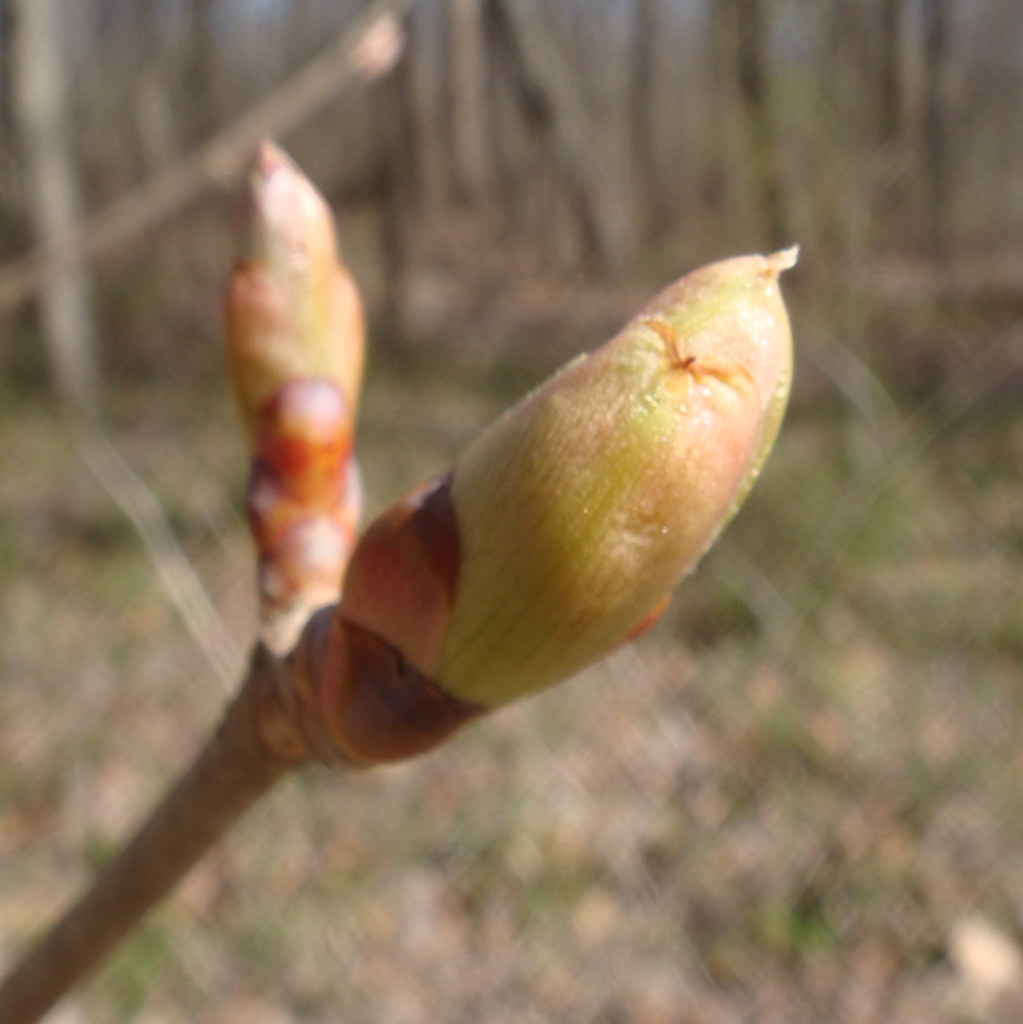
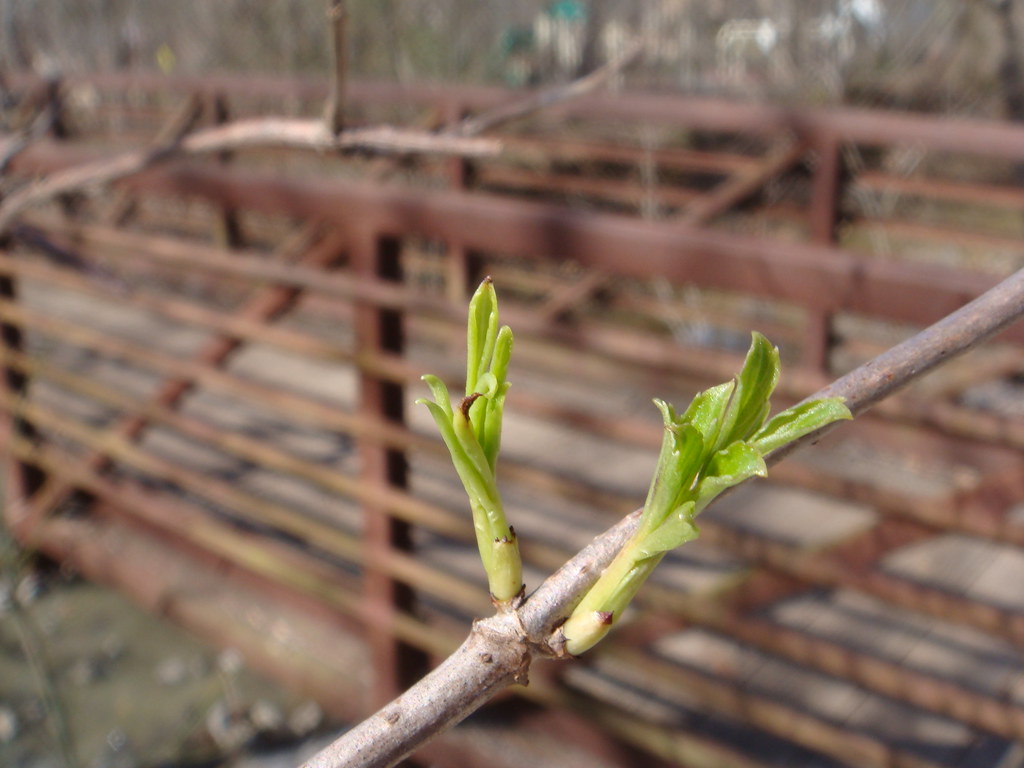
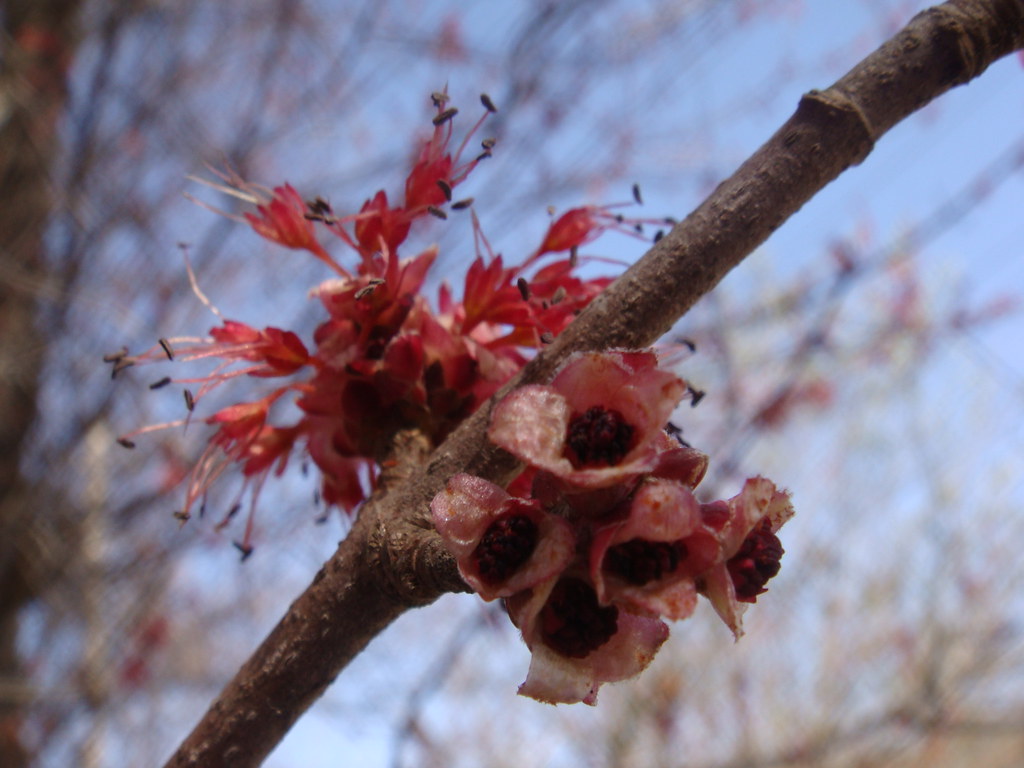
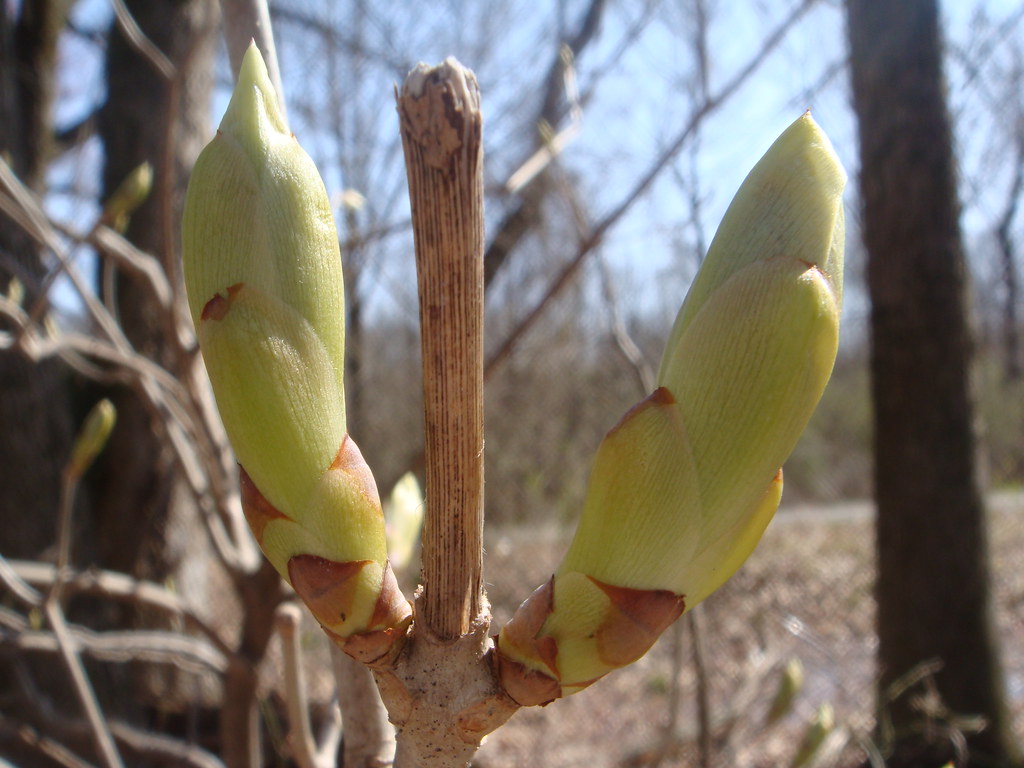
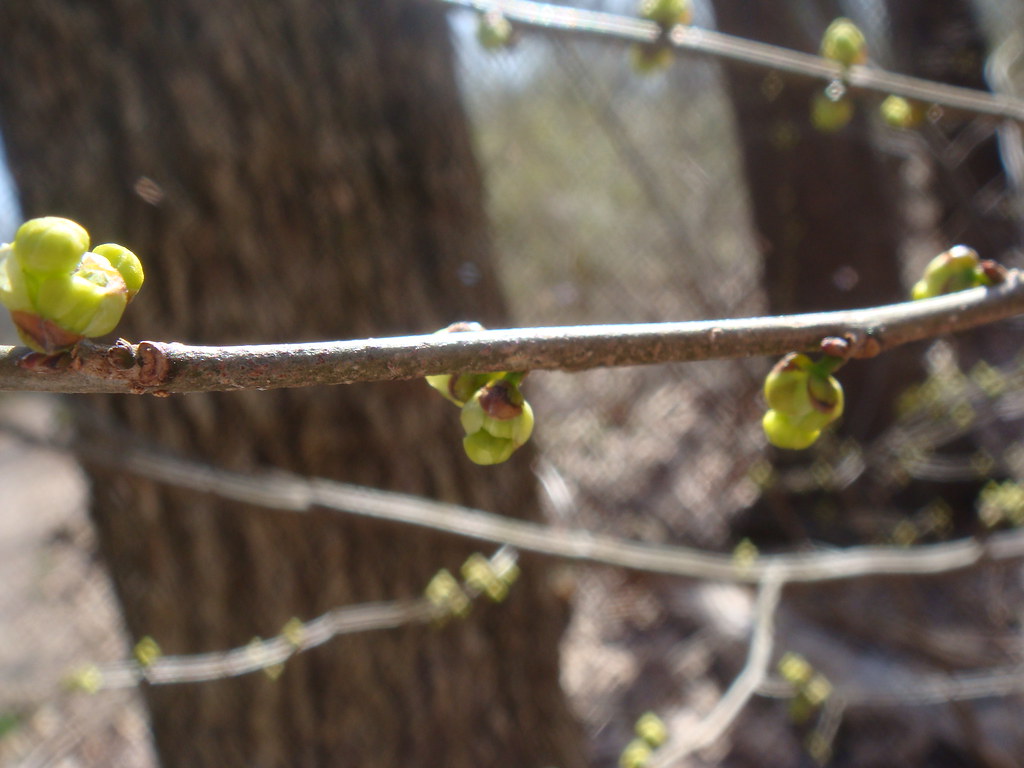
All of these photos were snapped in Judge Andrew Holmes Park, one our favorite walking spots. The buds are just popping up everywhere. This is such an exciting time of year.


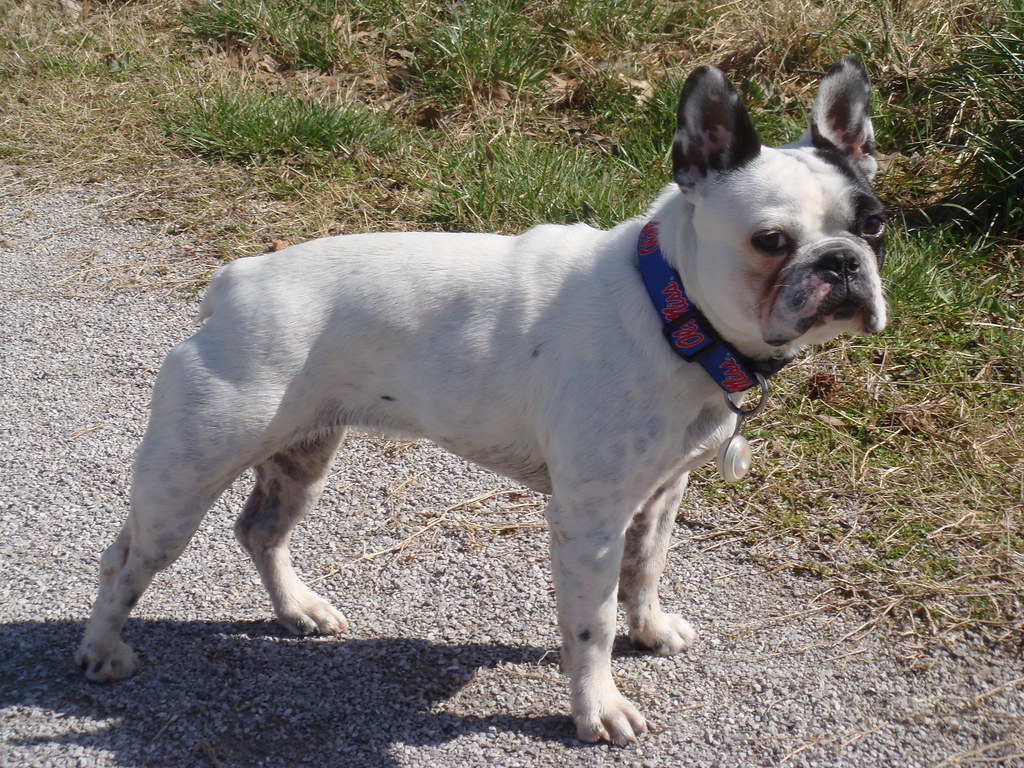
And here's my buddy:

Saturday, March 27, 2010

Snail mail

Look what I found when I was trimming the fern! I have found many more since then.
"The brown garden snail (European brown snail) Helix (Cyptoomphalus) aspersa Müller, was described by O.F. Müller in 1774 from specimens collected in Italy. This plant feeder has been disseminated into many parts of the world intentionally as a food delicacy, accidentally by the movement of plants, and by hobbyists who collect snails. It was introduced to California in the 1850s as a source of escargot. (Capinera 2001). " via here
It's weird, I don't remember seeing them in our garden/yard in Pennsylvania, not sure if they are native to more Southern gardens?

I was lifting some leaves of a fern to trim it, and found the snail in the moist, shaded soil under the leaves.

Here and here is some info on what I think I found - the brown garden snail.

Friday, March 26, 2010

Liriope gets a haircut

See the pattern, yet? Ok, ok! I think I'm finished with the haircut series after this post.
I really felt like the liriope needed to be pruned. It was messy and tired looking. Here, here, and here said it was ok to do it. I think it would have been so much easier to do with hedge clippers, but I used a hand pruner.


Here it is looking tired and messy.
 Here you can see the difference trimming makes. The ones in the front have been pruned. The ones in the back have not.


Since I was using a hand pruner, I had to sort of grap a clump and twist to get a good cut. I really felt like I was doing exactly what the hairdresser does for the really styled cuts!

Under this clump, was a sprinkler head. I'm sure it was beneficial for me to cut away the growth that was covering it.
All done!

Inspirational pic of liriope:
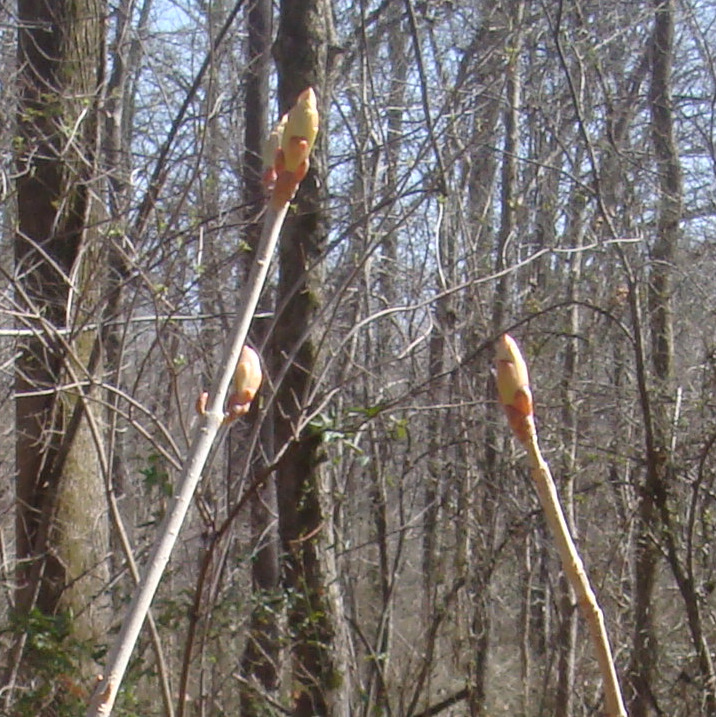
via here
via here